
 |
 |
 |
 |
 |
 |
 |
Some Meteorites Are Million - Dollar Finds, Others Are ‘Meteorwrongs’
By NICHOLAS ST. FLEUR
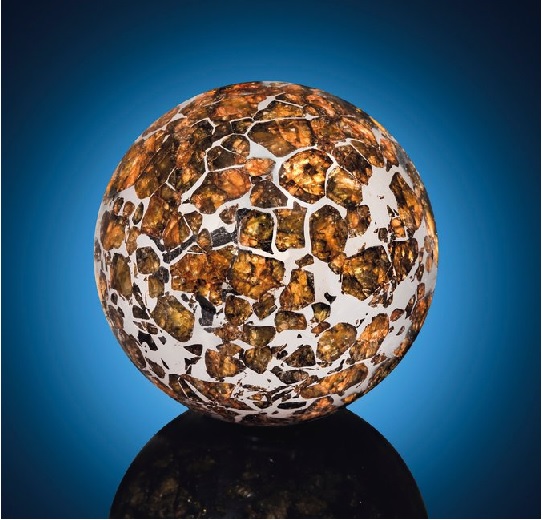
A sphere made of a Seymchan meteorite that was grinded and polished to show it solivine crystals, sold for about $130,000 at auction. Credit Christie's London
Thispolishedspherewasfashionedfrom a meteoritethatcrash-landedinto a dryriverbedinRussia. OnWednesdayitsoaredagain, notthroughspacebutatanauctionhouse, snagging $130,000 — ninetimesitsaskingprice.
Themeteoritewas a part of a cosmiccollection putupforsaleatChristie’sinLondon. Butitwasone of only a fewspacerocks to takeoff. Themeteoriteencrustedinextraterrestrialgemstones, given a highvaluation of $1.1 million, did notsell.
Neither did some of theotherheavyhitterssuchasthe $639,000Martian meteorite, a $426,600 chunk of theChelyabinskfireball thatexplodedoverRussiain 2013 northe $355,500 rockthatlookslike a metallic screamingface.
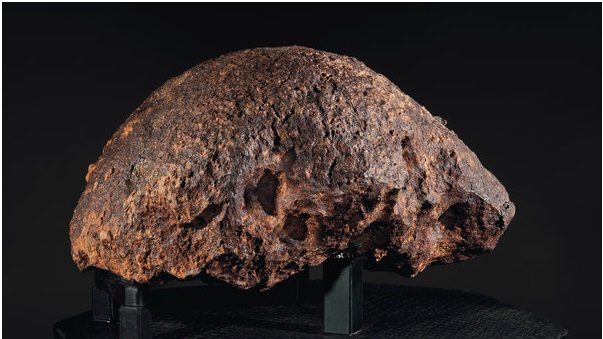
This 1,430-pound meteorite with extraterrestrial gemstones was valued at more than a million dollars, but did not sell.
Credit Christie's London
JamesHyslop, Christie’sspecialistinscienceandnaturalhistory, saidin a video accompanyingtheauctionthathepricedmeteoritesbasedontheirsize, wheretheycamefrom, theirscientificimportanceandthestorybehindtheirdiscovery. Fragmentsthatwereoncepart of themoonor Mars are of particularvalue, hesaid.
Inanemailaftertheauction, Mr. Hyslopofferedhisreasonsforwhysomeitemssoldandsomedidn’t. “Wesawinthesalethatlotswithlowerestimatessparkedparticularlycompetitivebiddingandsoldwell,” hesaid. He addedthatthesizeandweight of themoreexpensivemeteoritesmighthavemadethemsomewhatlessaccessiblethanthesmaller, lessexpensivelots, whichmaybewhymany did notfindbuyers.
Butbeforeyougohuntingforthenextmillion-dollarmeteorite, knowthatit’srare to unearth a spacerock.
Infact, most of thethingsthatpeoplethinkaremeteoritesarenotmeteoritesatall. Manyare “meteorwrongs”: chunks of rockandmetalthatmasqueradeasmeteorites.
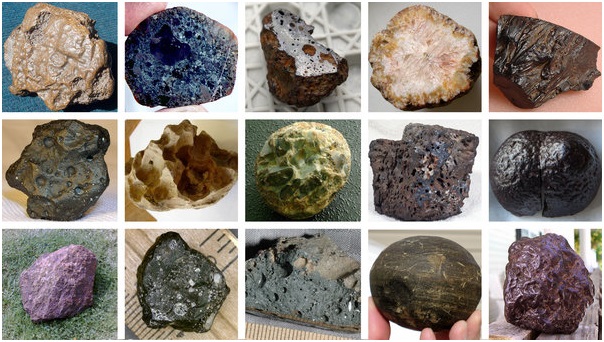
Randy Korotev has a website show casing examples of “meteorwrongs,” rocks and chunks of metal that people often confuse for meteorites. Credit Randy Korotev
Justask Randy Korotev, a lunargeochemistfromWashingtonUniversityinSt. Louis, whohascomeacross countlesscases of mistakenidentity whilestudyingmoonrocks.
Orbetteryet, don’task Dr. Korotev, ashisemailhasbeencloggedwithmeteoriteidentificationrequestsformorethan a decade. Since 2006 hehasreceivednearly 18,000 emails frompeopleaskinghimwhethertheyhavefound a spacerock, includingmorethan 1,280 requestssofarin 2016.
“It’sbecomingoverwhelming,” Dr. Korotevsaid. “I spendseveralhourseveryweekansweringemail.”
Onlyaboutoneinevery 1,000 findsturnsout to beanactualmeteorite, hesaid. Most of the “meteorwrongs” areactually masses of iron, glassybyproductsfromsmeltingorecalled slags, origneousrockswithsmallcavitiescalled vesicularrocks. Buthehasalsocomeacrossmusketballs, grindingballsandbowlingballs.
Dr. Korotev’s personalwebsite nowcarries a disclaimerforpeoplewhothinktheyhavefound a meteoritethatcouldmakethemrich. Hisadvice: Turn to his self-testchecklist and meteoriterealities listbeforepressingsendonthatemail.
|
|
 |
 |
 |
 |
 |
 |
 |
 |
 |
 |
 |
 |
 |
 |
 |
 |
 |
 |
 |
 |
 |
 |
 |
 |
 |
 |
 |
 |
 |
 |
 |
 |
 |
 |
 |
 |
 |
 |
 |
 |
 |
 |
 |
 |
 |
 |
 |
 |
 |
 |
 |
 |
 |
 |
 |
